
The Development of Web Design: New Ideas and Current Trends
From basic graphics and static HTML pages from the early days, web design has evolved significantly. Changing user demands and technological developments over time have propelled ongoing creativity in the sector. Today’s web design is more user friendly, interactive, and flexible than ever before. We’ll look at a few of the most current developments affecting the direction of website design.
AI driven Design
With technologies such as Wix ADI and Adobe Sensei, artificial intelligence (AI) is transforming web design. Using behavior patterns, these artificial intelligence tools enable designers to automate operations, provide layout ideas, and tailor consumer interactions. Improving website usability and customer engagement, AI is also present in virtual assistants and chatbots.
Minimalist and Dark Mode Designs
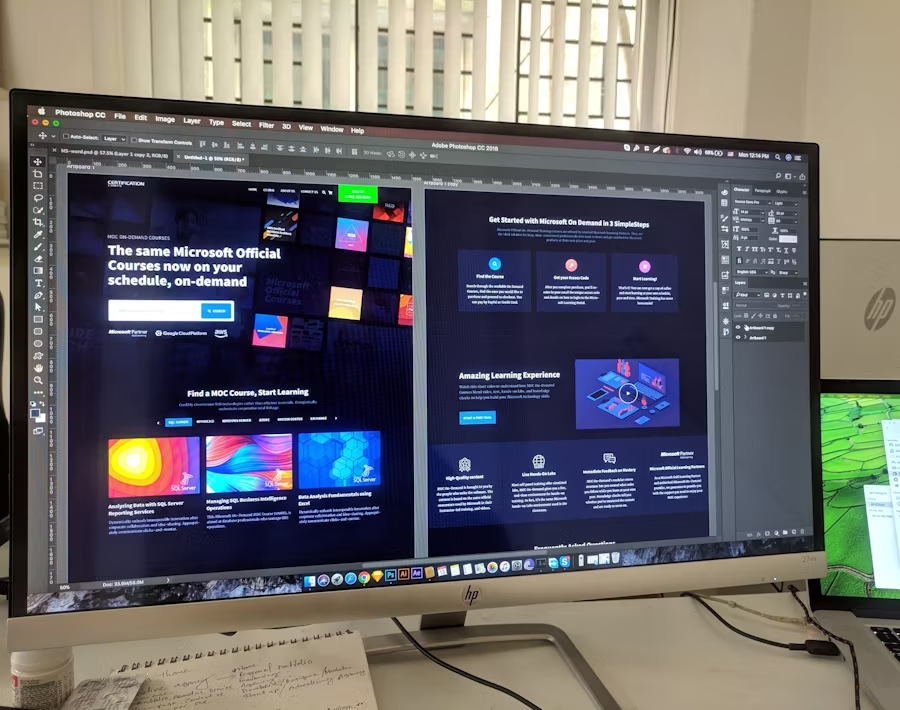
Simple remains a major style, with minimalistic aesthetics becoming more fashionable. Clear, uncluttered designs with plenty of white space help to read and navigate. In addition, dark mode layouts have become a standard feature that gives users a different visual experience lessening eye strain and preserving battery life for OLED screens.
Responsive and Mobile First Design
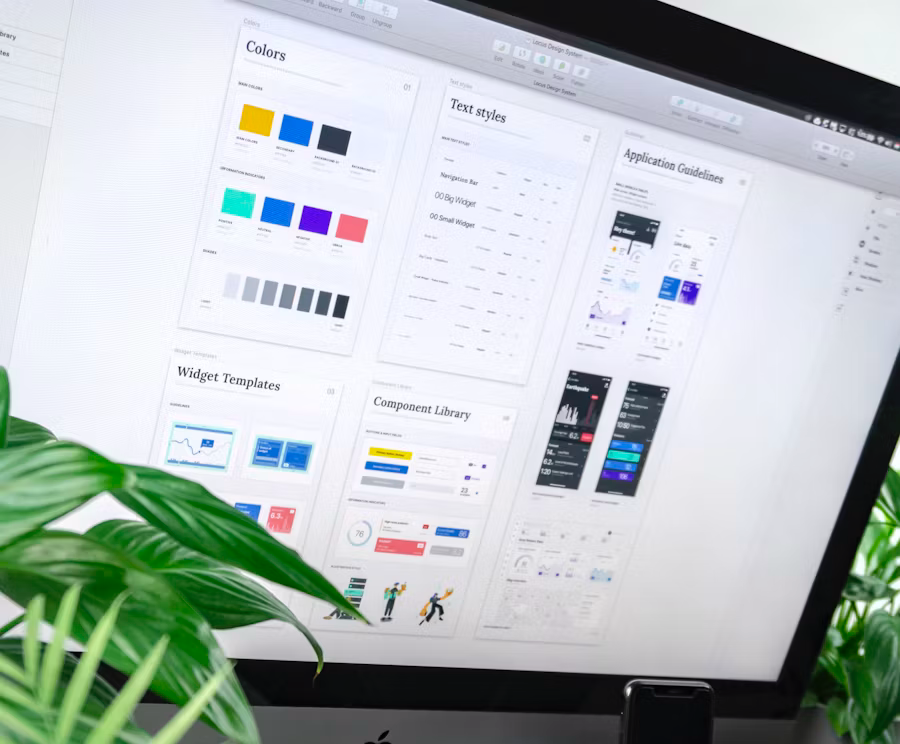
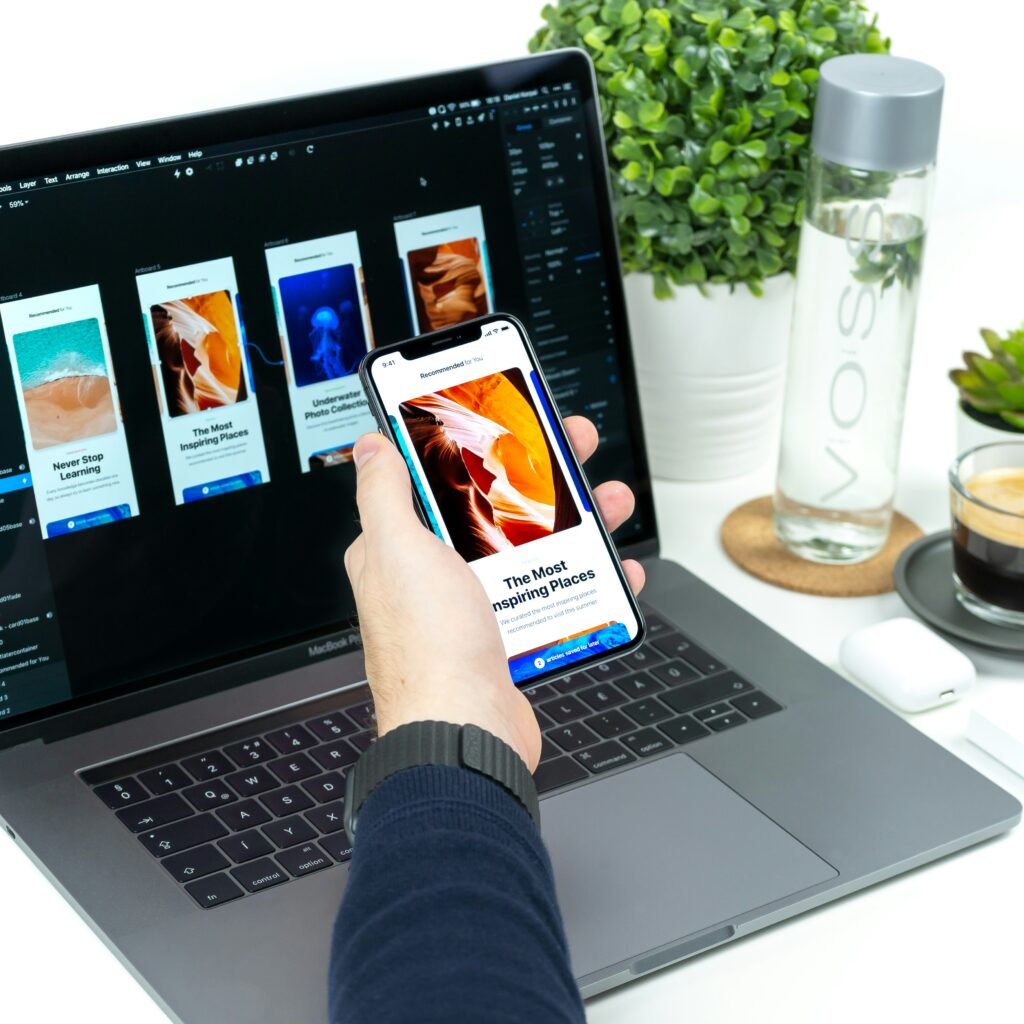
Responsive and mobile first design approaches have become absolutely necessary now that mobile traffic exceeds desktop usage. To guarantee smooth user experiences across different screen sizes, websites current give adaptive typography, touchfriendly interfaces, and fluid layouts top priority.
Motion UI and Micro interactions
Through small animations, transitions, and micro interactions, Motion UI makes web pages come alive. From hover effects to scrolling animations, these elements give natural feedback and increase user engagement. Using motion UI, brands are crafting dynamic narratives that engage viewers.
Integration of Virtual Reality (VR) and Augmented Reality (AR)
Particularly in ecommerce and real estate, AR and VR are seeping into web design. Virtual tryons, 3D product displays, and immersive tours help consumers to engage more closely and lifelike with digital material.

Voice Search Optimization species
Given the rise in popularity of intelligent assistants like Google Assistant and Alexa, it is critical that websites be optimized for voice search. To increase search engine discoverability and user experience, designers are concentrating on conversational UI, structured data, and natural language processing (NLP).
Development from no code and low code
Democratizing web development is coming from low code and no code solutions like Web flow and Bubble. Speeding up the design process and lowering costs, these tools enable designers and company owners to produce totally functional websites without much coding knowledge.
Design centered on privacy and cybersecurity.
Given rising worries about data privacy, web designers are employing security first concepts. To guarantee user data security, businesses now routinely use characteristics including two factor authentication (2FA), compliance with the European Union’s General Data Protection Regulation, and encrypted connections (HTTPS).
Furthermore, I would like to highlight…
Web design is always changing to keep up with present technologies and user expectations. From artificial intelligence inspired designs to full AR experiences, the future of web design is both dynamic and appealing. Keeping current with these developments enables businesses to provide captivating digital experiences that communicate with and satisfy customers. As the sector evolves, embracing creativity will be critical for distinguishing oneself in a more and more aggressive online environment.