

Your website is frequently the first—sometimes the only—impression you provide in the digital age of today. Effective web management is essential for staying relevant, engaging, and competitive online, whether you run a company, a non profit, or a personal brand.
But what is web management precisely, and why does it count?
Web Management Is …
Building, maintaining, and enhancing a website is a continuous process known as web administration. Starting with content updates and design changes, it covers backend security, analytics, and SEO. Put simply, it has to do with guaranteeing that your site not only exists but also operates.

Good web management comprises of the following key elements:
Content Management
Essential is keeping your website’s material current and essential. This covers multimedia including videos and images as well as company news, product descriptions, and blog entries. Out of date information might lower your search engine optimization rankings and impact your credibility.
Design & User Experience (UX)
Web management is not only about function; it is also about form. Good websites should be eye catching, mobile friendly, and simple to navigate. UX centered design may help conversions to improve as well as bounce rates to drop.

Technical support
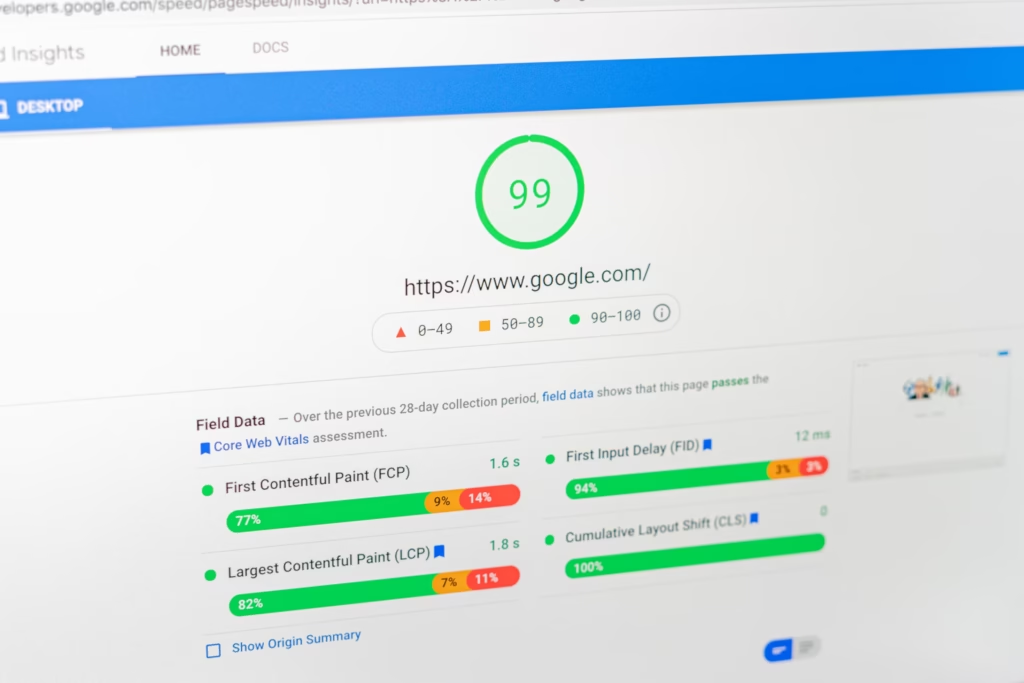
The technological side of web management, from repairing broken links to updating plugins, guarantee smooth operation of your website. Not paying attention to this might cause slow load times, mistakes, and even security issues.
Security checking
Constant exposure to cyber threats. Firewalls, SSL certificates, daily backups, and updates a well run site should include to avoid hacks or information breaches.
Search Engine Optimization (SEO)
SEO takes time, but it is worth the time. Good search engine results will result from keyword optimization, metadata updates, and performance upgrades part of an effective web management strategy.

Analytics & Performance Tracking
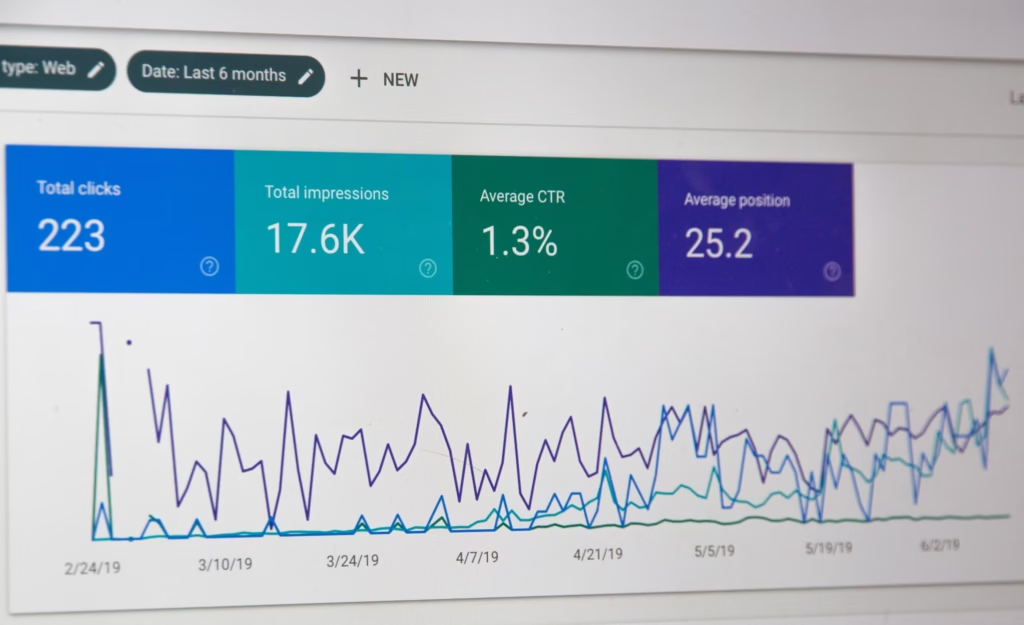
What gets measured gets improved. Checking your site’s traffic, bounce rates, and conversion funnels all offer practical information that could help to direct your plan.
Why Good Web Management Matters
Credibility: A professional, error-free website lends your audience confidence in you.
Visibility: SEO and performance improvements help you find online presence.
User Retension: Users want to reuse a good, simple, natural system.
Security: Proactive security measures help to avert costly downtimes and breaks.
Growth: A well run website helps with brand development, sales funnels, and marketing campaigns.
Better Web Management Techniques
Streamline updates with a Content Management System (CMS) like WordPress, Web flow, or Shopify.
Develop a monthly maintenance check list so you can keep on top of chores.
Whenever feasible, automatic security scans and backups are done.
Get Google Analytics and Search Console running for insights based on data.
If your group is short on time or skills, think about using a web management provider.
Finally thoughts
Web management is a continuous process that changes with the digital environment and your company; it is not a one time assignment. Managing your website helps to build trust, drive engagement, and support growth by providing a strong asset.